Field measurement and engineering analysis of power quality, harmonic distortion, power factor, and thermal condition — before corrective action is recommended.
Service Detail
Power quality optimization addresses the operating condition of a facility's electrical system beyond its basic supply capacity — examining how power is consumed, distributed, and conditioned across distribution boards, switchgear, and end-use loads. Harmonic distortion, poor power factor, voltage imbalance, and thermal overloading reduce electrical efficiency, increase utility cost, and accelerate equipment aging. These problems are rarely visible in billing data alone and require direct field measurement to identify and quantify.
Iraqi facilities carry particular power quality risk. Grid supply in the region is frequently unstable — voltage sags, frequency variation, and switching transients are common — while generator-heavy operating arrangements introduce harmonic distortion from variable-speed drives, UPS systems, and switching loads. Power factor penalties under applicable tariff structures add to energy cost in ways that are often misunderstood or invisible to facility management. Thermal overloading of connections and cables is widespread in facilities that have expanded incrementally without formal electrical review.
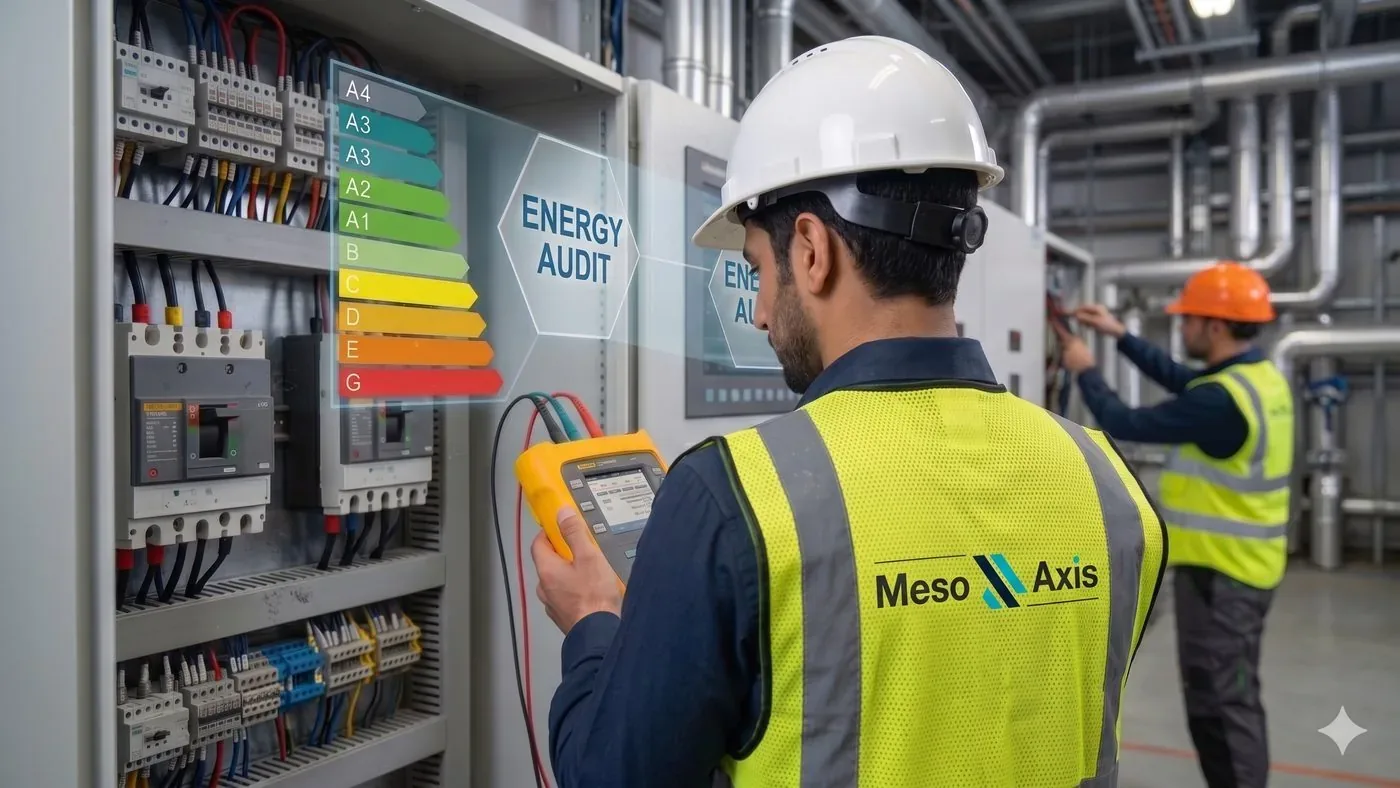
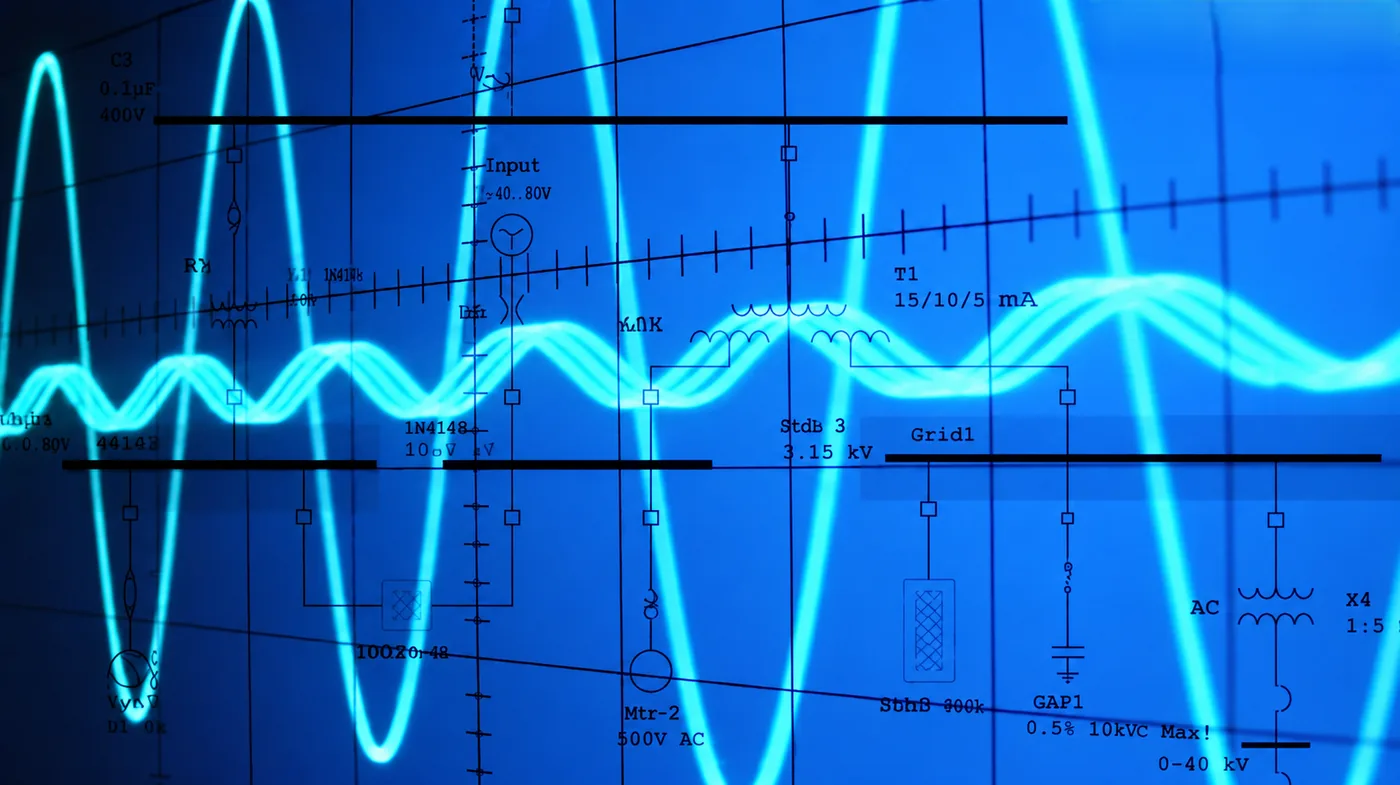
MesoAxis approaches power quality through direct electrical measurement — power quality analyzers, harmonic recorders, and thermal imaging — before recommending any corrective action. Findings are documented against specific loads, distribution points, and operating conditions. Recommendations prioritize corrections that reduce utility charges, improve equipment reliability, or address safety risks identified through thermographic inspection.
Core Capabilities
- Power Quality Analysis
Field measurement of electrical parameters — voltage, current, power factor, harmonic content, and voltage imbalance — at supply intake, distribution boards, and critical loads to establish the actual operating condition of the electrical system and identify where losses and disturbances originate.
- Harmonic Analysis
Measurement and analysis of harmonic distortion in the facility's electrical system, identifying where harmonics originate, how they propagate through the distribution network, and what mitigation is required to bring levels within equipment and grid tolerance.
- Power Factor Correction
Assessment of reactive power demand across the facility's electrical loads and design of correction solutions — capacitor banks, automatic PFC controllers, or active filtering — sized to eliminate power factor penalties under the applicable tariff structure.
- Voltage Drop Assessment
Calculation and field verification of voltage drop through the distribution system to identify conductors, connections, or distribution configurations that cause equipment undervoltage, increased losses, or reduced equipment performance.
- Load Balancing
Review of single-phase and three-phase load distribution across the facility's distribution system to identify and address phase imbalance that causes neutral overloading, transformer derating, and equipment performance issues.
- Electrical System Diagnostics
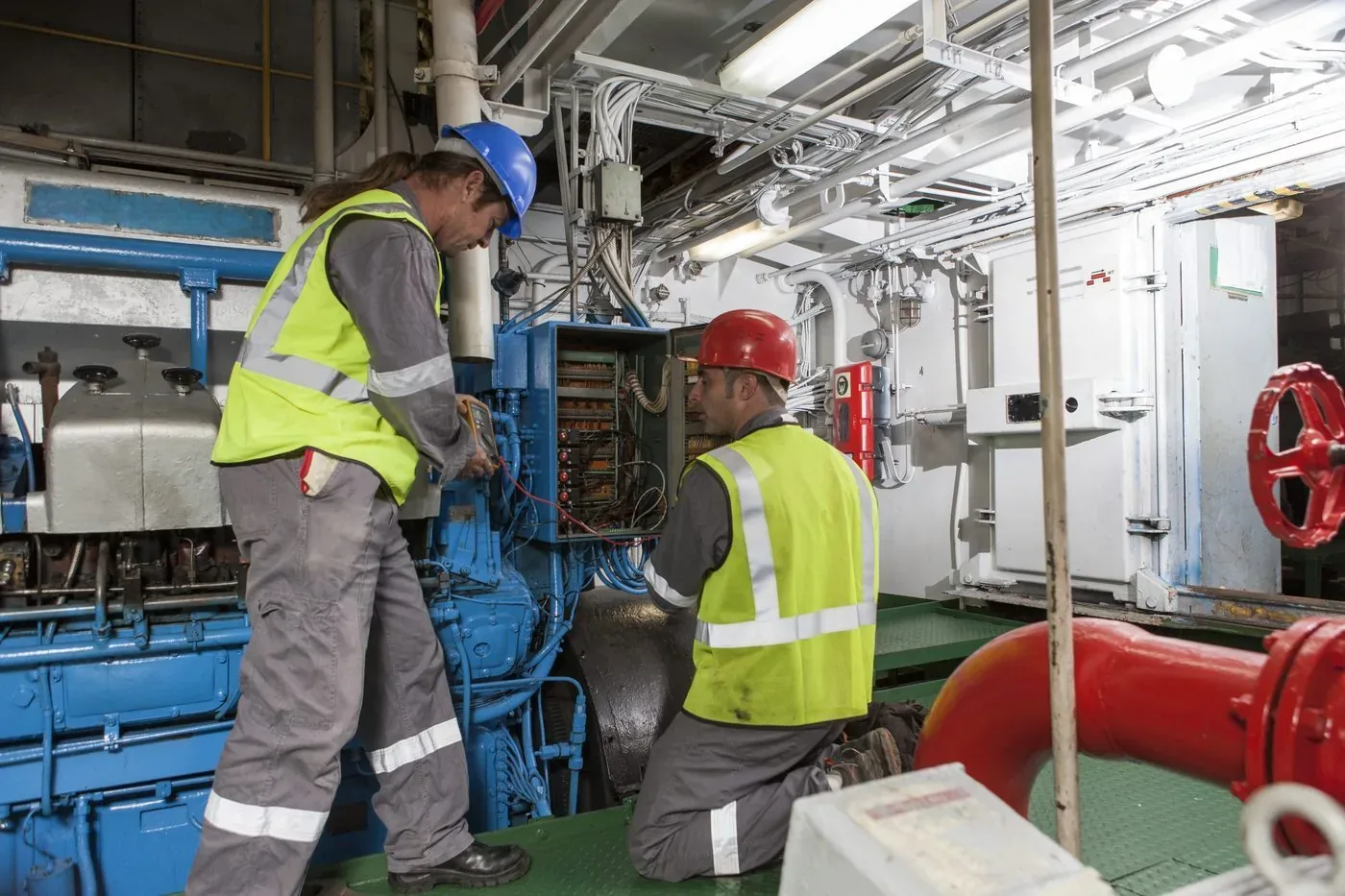
Systematic field assessment of the electrical system's operating condition — insulation resistance, connection integrity, equipment loading, and protection status — to identify deficiencies before they cause failure or safety incidents.
- Thermal Inspection & Hotspot Identification
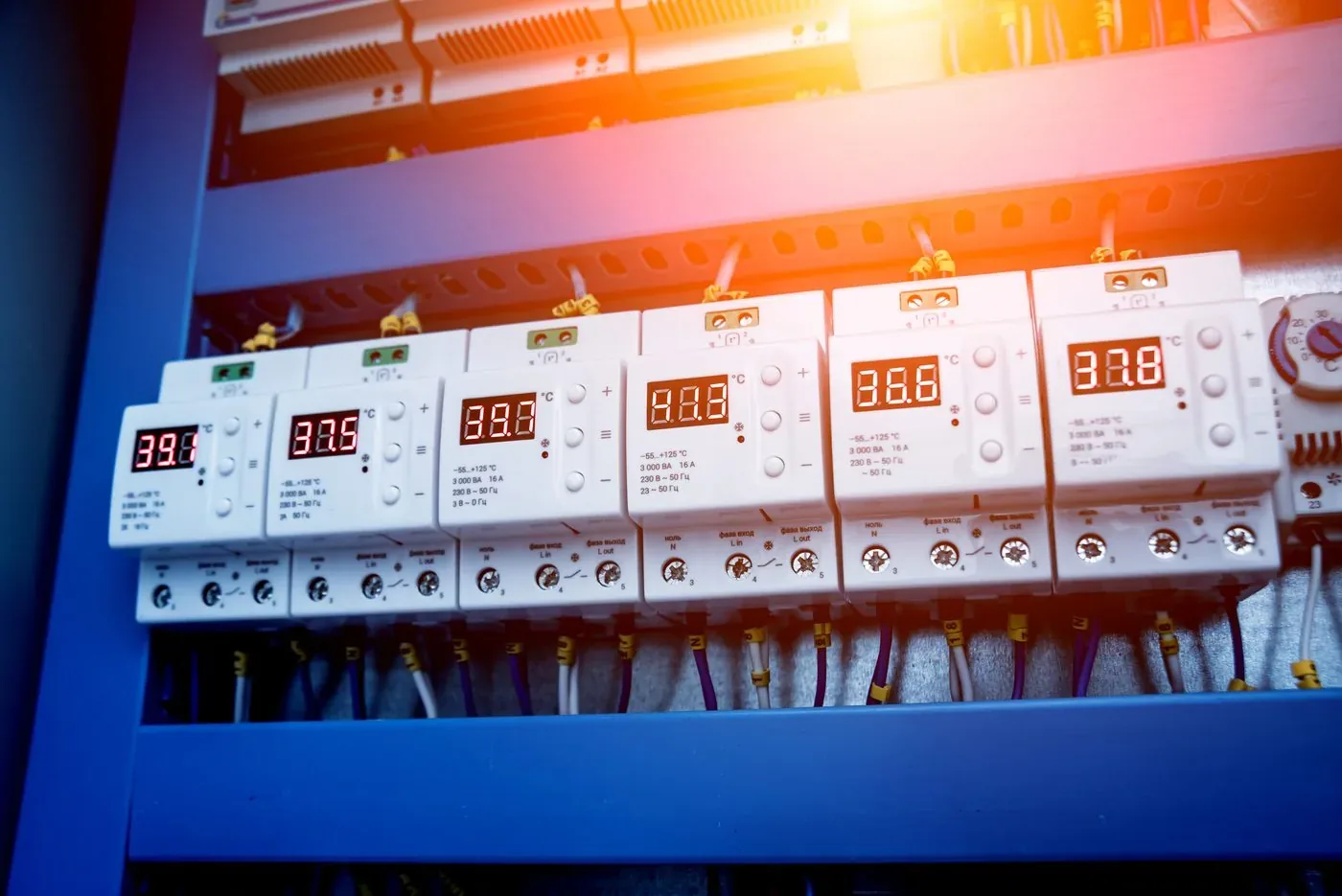
Thermographic survey of electrical distribution equipment — switchboards, busbars, cable terminations, and transformers — to identify overloaded or deteriorating connections and components before they reach failure.
- Generator & Utility Integration Review
Assessment of how generator and utility supply interact in the facility — switching arrangements, protection settings, and loading profiles — to identify operating practices that degrade supply quality or create electrical reliability risk.
- Corrective Action Planning
Documentation of prioritized corrective actions — ranked by impact on energy cost, equipment reliability, and safety risk — with implementation difficulty assessment and recommended sequencing to guide a structured improvement program.
Industries Served
- Manufacturing & Industrial Facilities
- Oil & Gas
- Power Generation
- Commercial Buildings
- Healthcare & Institutional
- Hotels & Hospitality
Why MesoAxis
MesoAxis approaches power quality work through direct field measurement before recommending any corrective action. Every engagement begins with power analyzer deployment at supply intake and critical distribution points — harmonic spectrum analysis, power factor logging, and voltage profile recording under actual operating conditions rather than assumptions from nameplate data or utility billing.
Power quality problems in Iraqi facilities are frequently compounded by multiple interacting causes: generator harmonics propagating through the distribution network, undersized cables creating voltage drop under load, and power factor penalties applying under tariff structures that facility management may not fully understand. Addressing one issue without understanding the full picture can produce corrections that underdeliver or introduce new problems.
MesoAxis does not represent equipment vendors, capacitor bank suppliers, or active filter manufacturers. Recommendations are based on analysis of the facility's actual electrical data, which means there is no commercial pressure to recommend capital expenditure when an operational or maintenance correction would achieve the same result. Corrective actions are prioritized by cost impact and safety consequence, with the simplest high-impact changes identified before larger capital solutions are proposed.