Independent solar feasibility, system design, equipment supply, and commissioning — grounded in measured site data and actual facility load profiles.
Service Detail
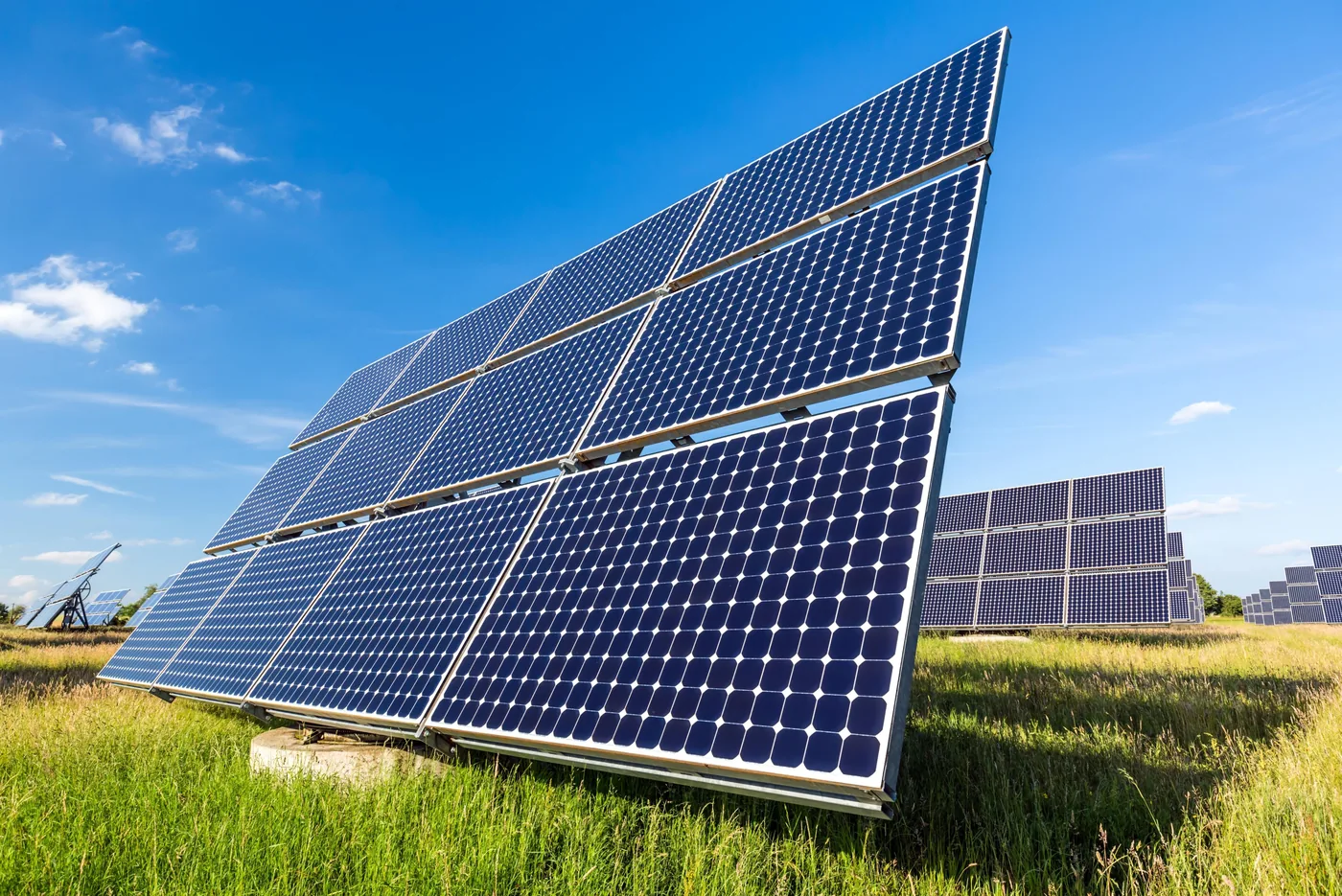
Solar feasibility and installation covers the complete technical process of evaluating, designing, supplying, and commissioning photovoltaic systems for industrial and commercial facilities — from initial feasibility assessment through energy yield modelling, system sizing, financial analysis, grid integration design, equipment procurement, installation oversight, and performance verification.
Solar energy is commercially viable across Iraq and the Kurdistan Region: solar irradiance levels are among the highest in the region, and grid-parallel or off-grid PV systems can materially reduce diesel generation costs and grid electricity dependency for industrial and commercial facilities. However, poorly sized, incorrectly integrated, or inadequately commissioned solar installations consistently underperform against financial projections — often because feasibility work was based on vendor-supplied assumptions rather than measured site data and actual facility load profiles.
MesoAxis approaches solar projects through independent engineering analysis — load profile review and measured site data before system sizing, grid integration assessment before inverter selection, and actual facility consumption patterns before financial modelling. Equipment supply is coordinated through verified-quality channels covering panels, inverters, mounting structures, and protection equipment. Installation and commissioning are supported by engineering oversight to confirm performance against design intent before handover.
Core Capabilities
- Solar Feasibility Studies
Technical feasibility assessment covering site solar resource, structural suitability, grid connection requirements, and regulatory considerations — establishing whether solar is technically viable for the facility before any financial commitment is made.
- Energy Yield Assessment
Modelling of expected annual and monthly energy output from a proposed PV system, based on measured or regionally verified irradiance data, system losses, and shading analysis across the facility's available mounting surfaces.
- Load Profile Analysis
Measurement and analysis of the facility's actual electricity consumption patterns — time-of-use, peak demand, baseload, and seasonal variation — to inform system sizing and determine how much of the solar yield will offset purchased electricity or diesel generation.
- System Sizing
Engineering design of PV system capacity — panel count, inverter sizing, string configuration, and battery storage requirements where applicable — based on load profile analysis and energy yield modelling rather than rule-of-thumb estimates.
- Financial & Payback Analysis
Development of a facility-specific financial model covering capital cost, avoided grid or diesel costs, payback period, and sensitivity to energy cost and system performance assumptions.
- Grid Integration Assessment
Technical review of grid connection requirements — protection settings, anti-islanding, metering, and utility approval requirements — to confirm the proposed solar system can be safely and compliantly connected to the facility's distribution network.
- Solar Panel & Inverter Supply
Procurement and delivery of solar panels, inverters, mounting structures, and associated electrical equipment from verified-quality supply channels, with technical specification review before procurement commitment.
- Solar PV Installation
Engineering oversight of PV system installation — panel mounting, cable routing, electrical connections, and earthing — confirming that installation workmanship meets specification before energization.
- Testing, Commissioning & Performance Verification
Structured commissioning and performance testing of the completed PV system, confirming actual energy yield against design projections and verifying that protection and monitoring systems operate correctly before handover.
Industries Served
- Manufacturing & Industrial Facilities
- Commercial Buildings
- Hotels & Hospitality
- Healthcare & Institutional
- Oil & Gas Support Facilities
- Food & Beverage
Why MesoAxis
MesoAxis approaches solar projects from an engineering position rather than a sales position. Feasibility assessment is based on measured or independently verified data — actual facility load profiles, site-specific irradiance, and grid connection requirements — rather than standard vendor feasibility assumptions that may overstate yield or understate integration complexity.
System sizing that does not reflect actual load timing — when the facility draws power relative to when the sun generates it — frequently produces solar installations that deliver less bill reduction than projected. The gap between gross energy yield and net savings to the facility depends on consumption patterns that only load profile measurement can establish reliably. This is the step most vendor-led solar proposals omit.
Equipment supply through MesoAxis is coordinated with engineering oversight — specification review before procurement, quality verification before delivery acceptance, and performance testing against design projections after commissioning. This closes the loop between what was designed and what was installed, and gives the facility owner clear documentation of what was delivered and what performance to expect over the system's operating life.