Condition assessment, failure investigation, and engineering-led rehabilitation programs for deteriorated or aging mechanical, electrical, and process systems.
Service Detail
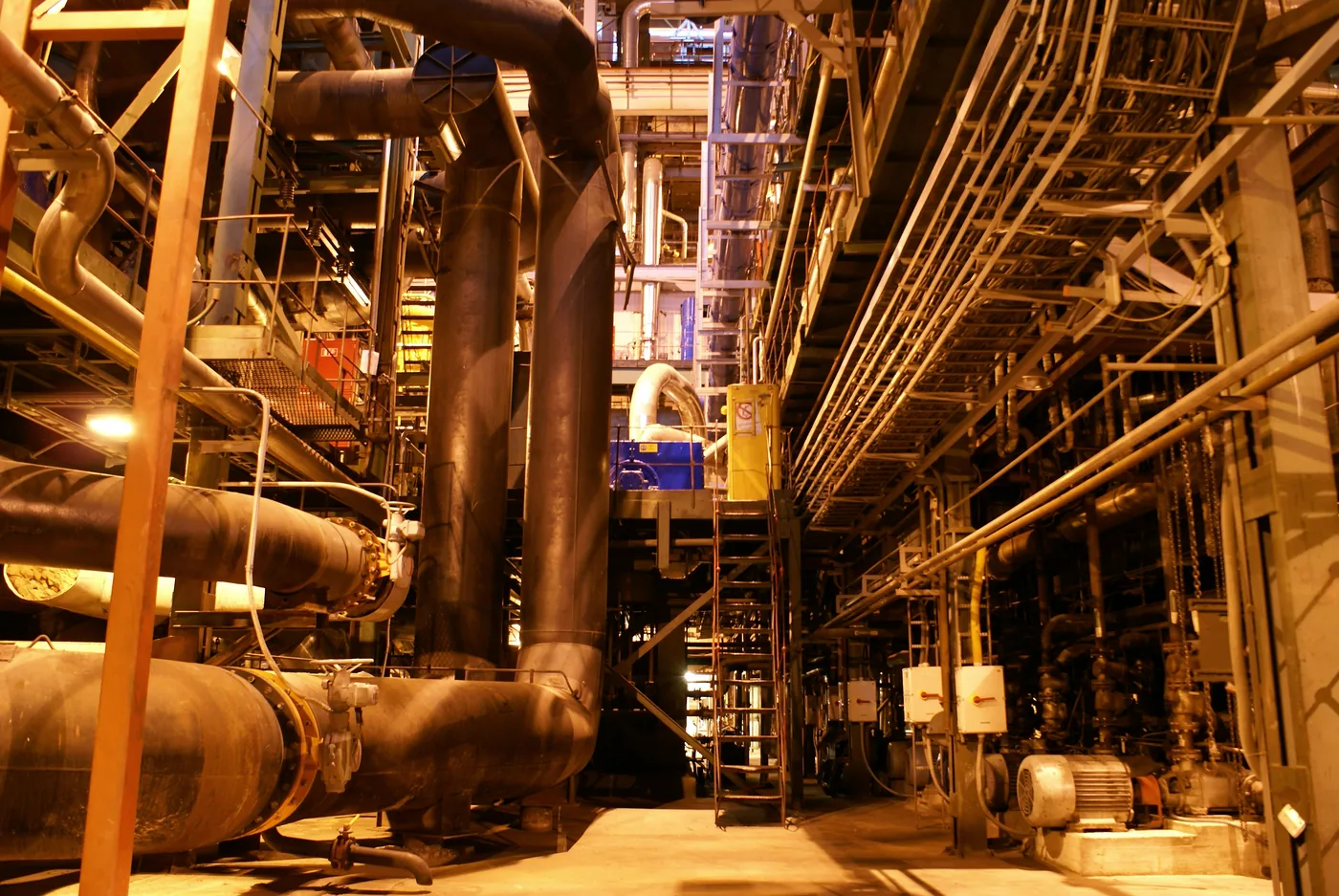
System rehabilitation engineering addresses the engineering assessment and improvement of plant systems and equipment that have deteriorated in condition, accumulated unresolved defects, or are approaching the end of their original design life — covering condition assessment, failure investigation, rehabilitation planning, equipment life-extension programs, reliability improvement, and obsolescence replacement.
Industrial assets in Iraq and the Kurdistan Region frequently operate beyond their original design life, under conditions that differ from original design assumptions, and with maintenance histories that are incomplete or poorly documented. Equipment failures in this context often reflect systemic deterioration rather than isolated incidents — multiple interacting causes that require structured engineering investigation rather than reactive part replacement. Rehabilitation without engineering input tends to address visible symptoms rather than the underlying condition that caused them, resulting in repeated failures on the same systems.
MesoAxis approaches system rehabilitation through structured condition assessment before prescribing any corrective scope — field inspection, testing, maintenance record review, and failure mode analysis establish what the actual condition is and what is driving deterioration before any rehabilitation design is produced. Rehabilitation programs are structured to address root causes, extend remaining service life, and reduce the likelihood of recurrence — with documentation that supports ongoing maintenance after the rehabilitation work is complete.
Core Capabilities
- Asset Condition Assessments
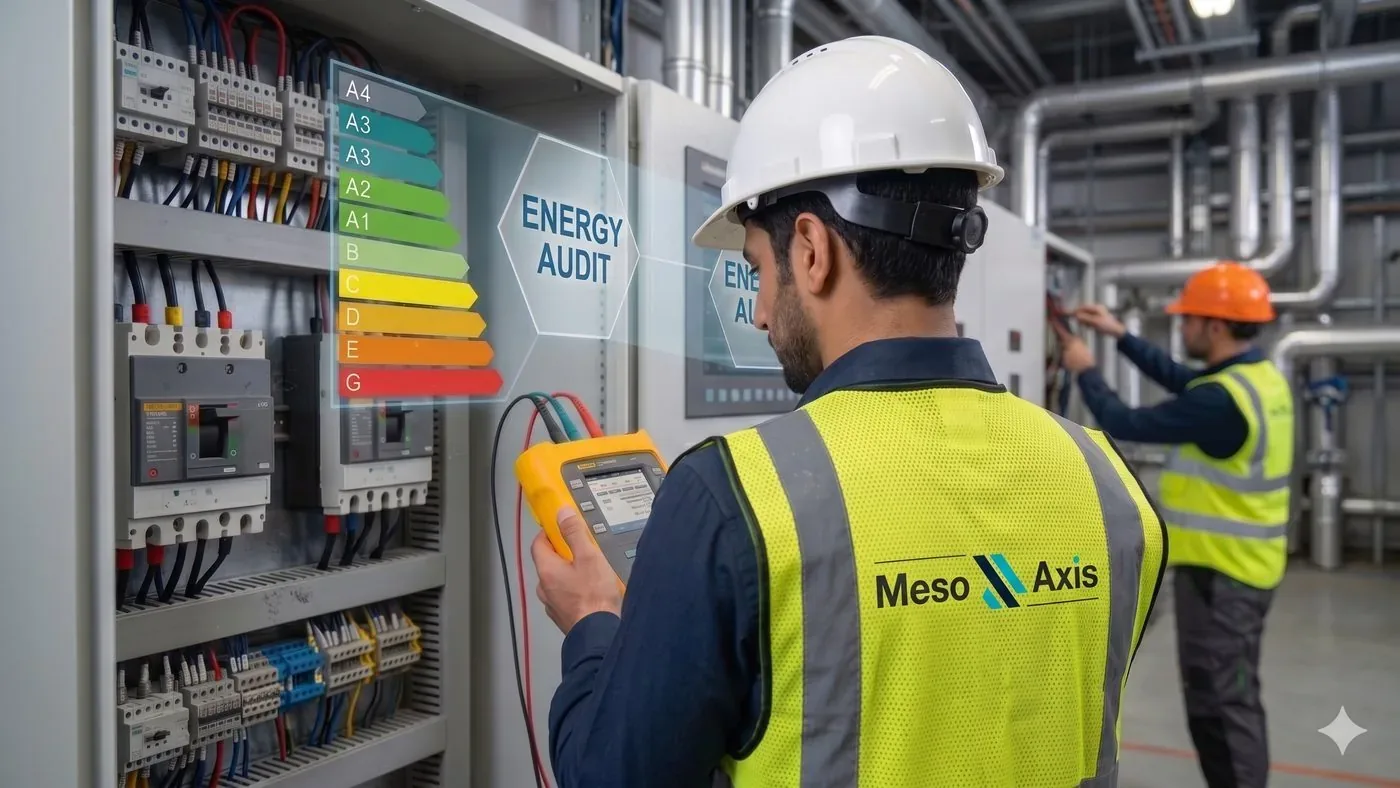
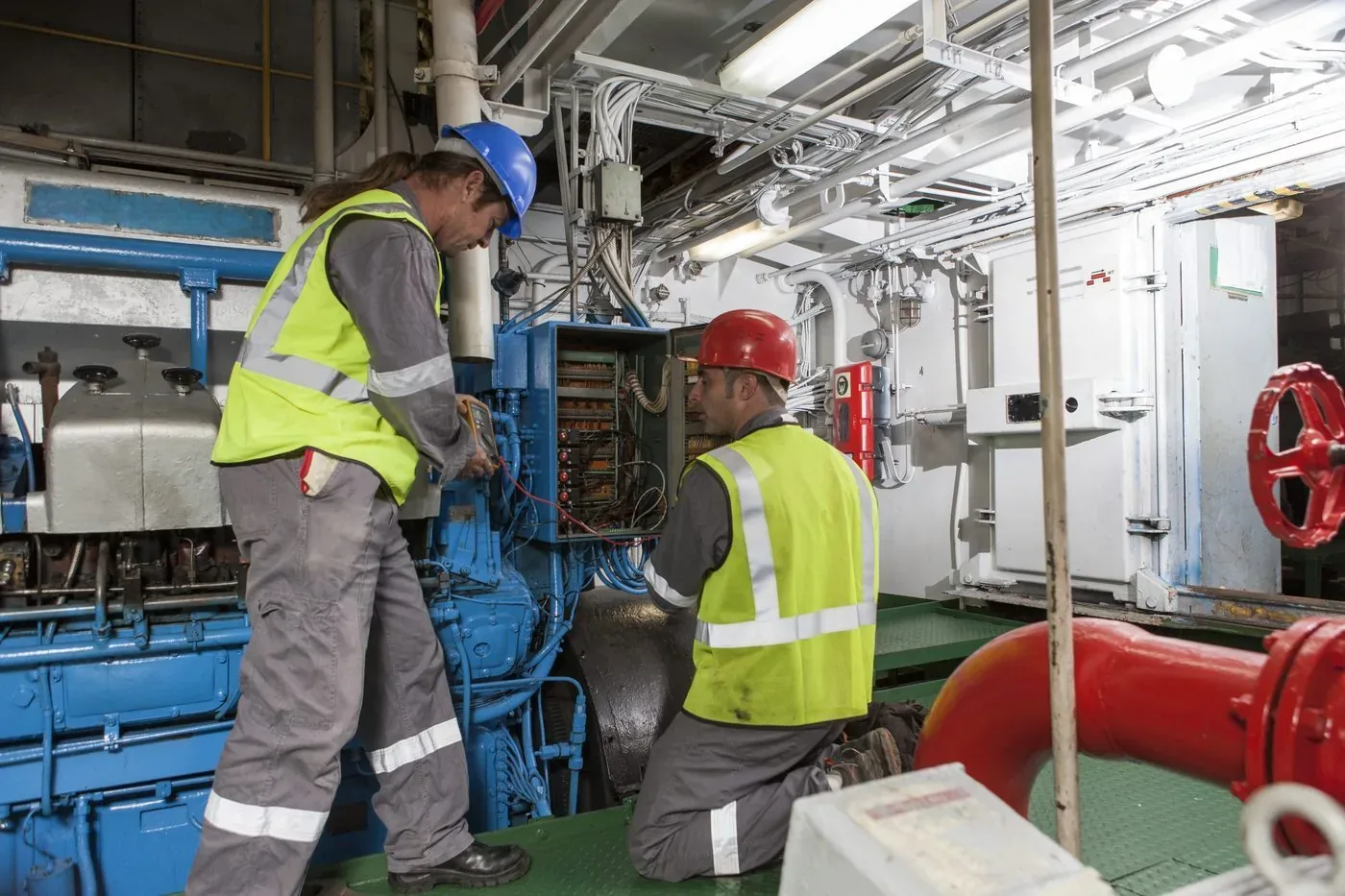
Structured field assessment of equipment and system condition — visual inspection, measurement, testing, and maintenance history review — to establish current condition, identify defects, and define the scope of rehabilitation required.
- Failure Investigations
Systematic investigation of equipment failures or chronic reliability problems to identify root cause rather than surface symptoms — using field evidence, maintenance records, and engineering analysis to support corrective action that prevents recurrence.
- System Rehabilitation Studies
Engineering studies defining the scope, prioritization, and sequencing of rehabilitation work across a system or facility — based on condition assessment findings and operational priority.
- Equipment Life-Extension Programs
Engineering design of modifications, refurbishments, and operating adjustments that extend the remaining service life of equipment beyond its original design basis — where replacement is not practical or cost-justified.
- Reliability Improvement Programs
Structured programs addressing the engineering, maintenance, and operational changes needed to improve system availability and reduce unplanned downtime — based on failure history analysis and root cause findings.
- Obsolescence Replacement Planning
Engineering assessment of equipment with obsolete controls, discontinued spare parts, or unsupported platforms — defining replacement scope, technical specifications, and implementation strategy.
- Mechanical System Rehabilitation
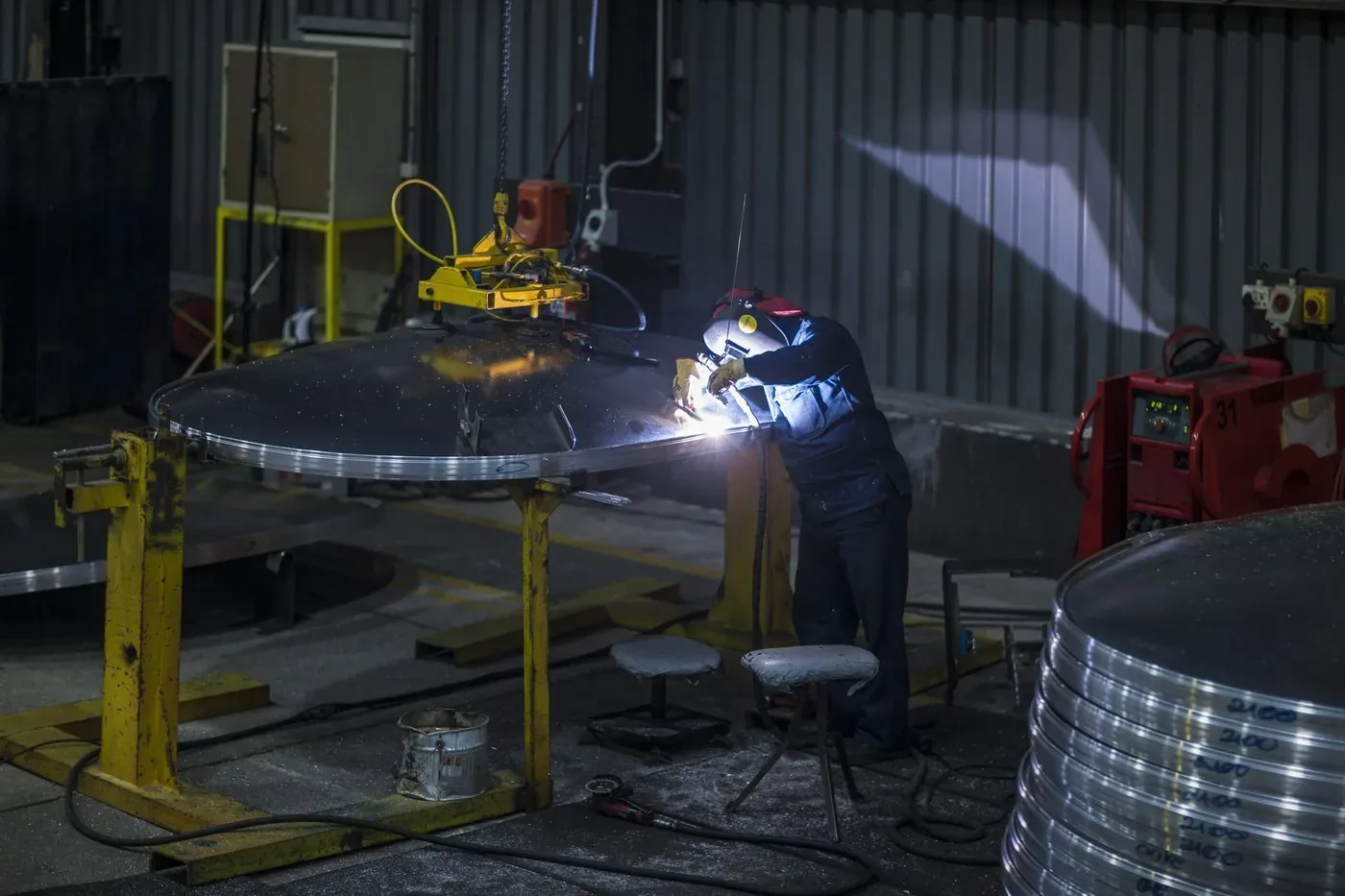
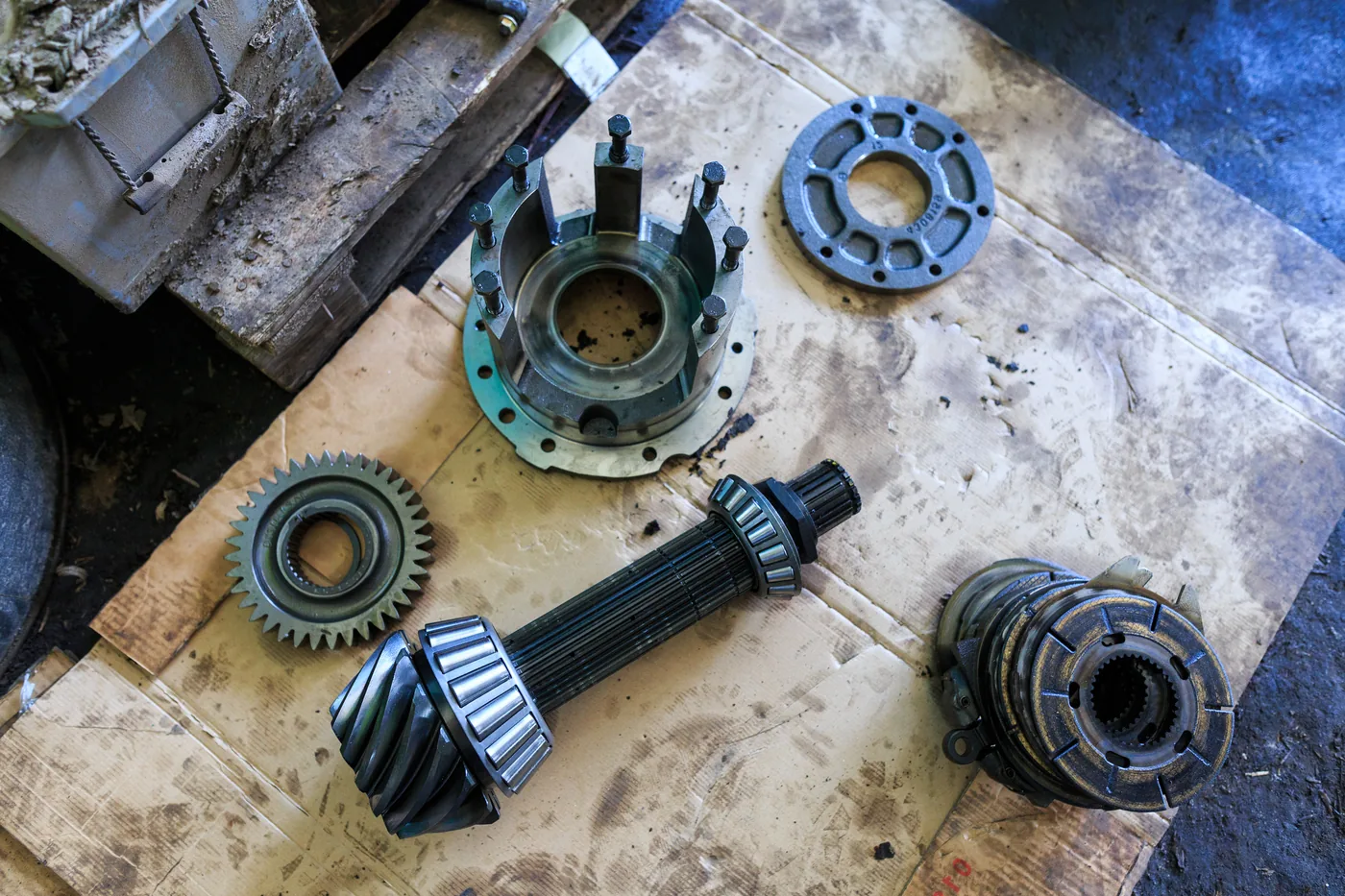
Engineering design and implementation support for rehabilitation of mechanical systems — rotating equipment, pressure vessels, piping, and structural components — addressing corrosion, wear, fatigue, and dimensional loss.
- Electrical System Rehabilitation
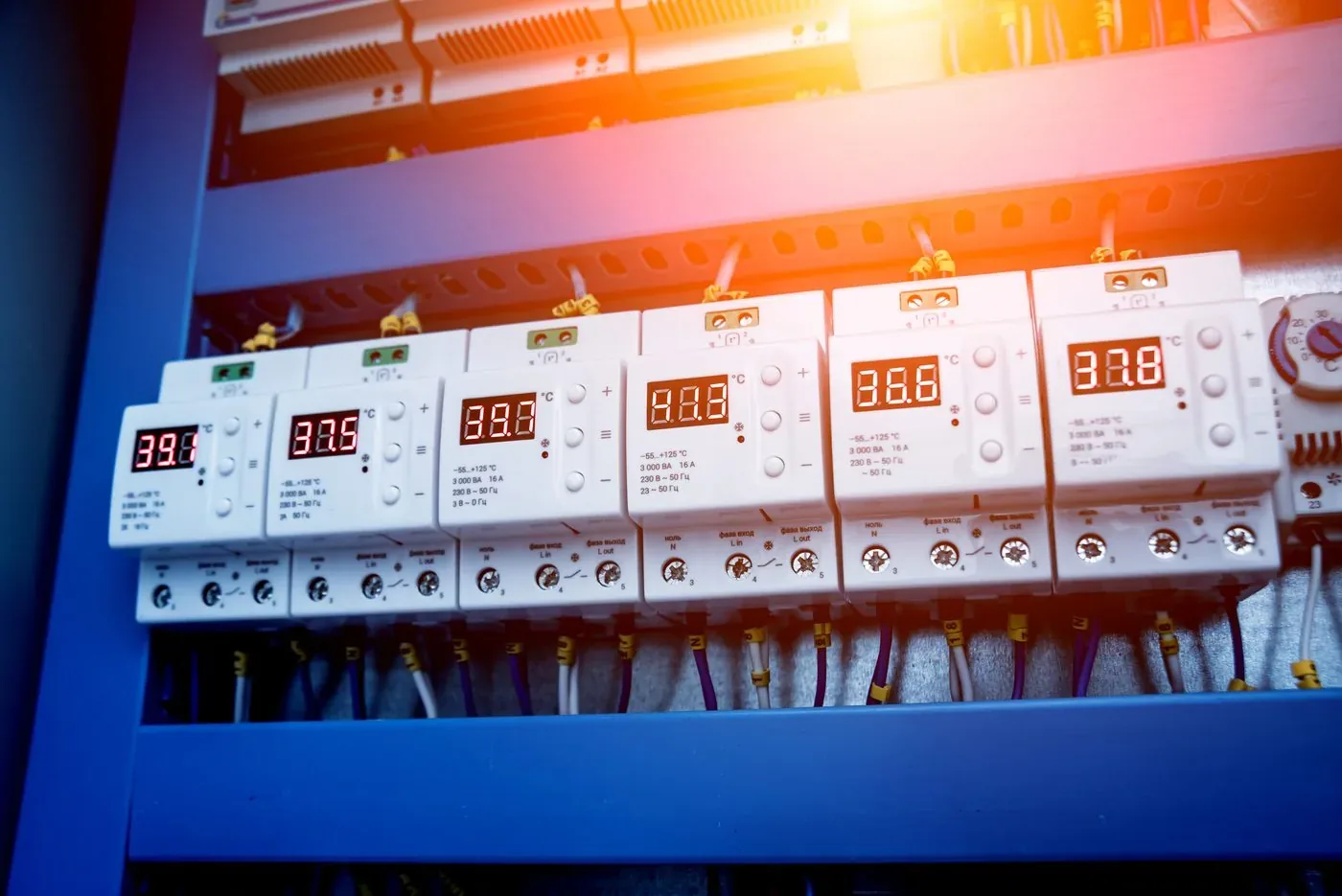
Engineering scope and implementation support for rehabilitation of electrical infrastructure — switchgear, transformers, cable systems, and protection equipment — addressing insulation degradation, contact deterioration, and protection reliability.
- Infrastructure Rehabilitation
Engineering assessment and scope definition for rehabilitation of civil and structural infrastructure — foundations, structures, containment, and buildings — supporting facilities that require structural remediation alongside equipment work.
- Rehabilitation Execution Support
Engineering support through the execution of rehabilitation work — construction oversight, installation verification, commissioning, and performance testing — confirming that completed work meets the rehabilitation scope and restores systems to the intended operating condition.
Industries Served
- Oil & Gas
- Manufacturing & Industrial
- Power Generation
- Petrochemical & Refining
- Infrastructure
- Commercial & Industrial Facilities
Why MesoAxis
MesoAxis approaches rehabilitation work through engineering assessment before prescribing any corrective scope. The condition of deteriorating industrial equipment is rarely uniform — some components are serviceable, some require refurbishment, and some require replacement — and rehabilitation programs that do not start from a verified condition assessment tend to over-scope or under-scope the work, in either case producing a poor outcome relative to the investment.
Failure investigation is a distinct engineering activity that requires structured methodology rather than reliance on operational anecdote. Many repeat equipment failures in Iraqi industrial facilities reflect root causes that persist through multiple repair cycles — operating condition mismatches, protection gaps, maintenance intervals that do not match actual degradation rates — because the investigation was limited to replacing visible damage rather than establishing cause.
Rehabilitation programs designed by MesoAxis are structured to produce documentation that supports ongoing maintenance after the work is complete — not just to restore function at a point in time. Updated maintenance procedures, revised inspection intervals, and records of completed work give the facility's maintenance team a reliable baseline from which to manage the rehabilitated equipment going forward.